Tips for Creating a Relaxing Home Workspace
Creating a relaxing home workspace is essential for staying focused, productive, and stress-free while working remotely. Whether you’re setting up a dedicated office or carving out a small corner in your living room, a thoughtful setup can make a big difference in how comfortable and motivated you feel throughout the day. In this post, we’ll explore practical tips to help you design a calm and inviting workspace that supports your well-being and work goals.
Why a Relaxing Workspace Matters
When you spend hours working from home, your environment plays a crucial role in your mood and efficiency. A cluttered or uncomfortable area can increase stress and distract you from your tasks. Conversely, a calming workspace helps clear your mind, encourages focus, and even sparks creativity. By crafting a space tailored to your needs, you’ll find it easier to maintain a healthy work-life balance and enjoy your day more.
Choose the Right Location
Find a Quiet Spot
Select a space in your home that is naturally quieter and away from heavy foot traffic or noisy appliances. A peaceful location helps minimize interruptions and distractions.
Consider Natural Light
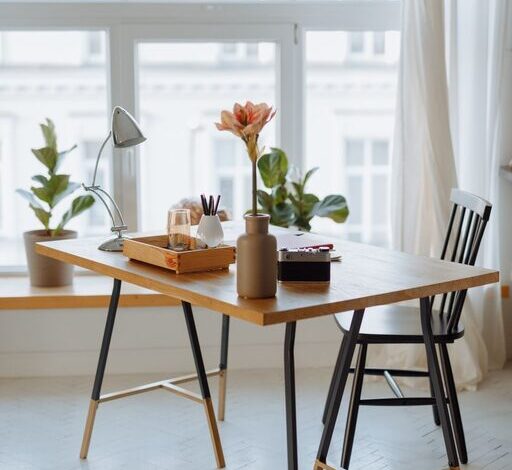
Place your desk near a window if possible to take advantage of natural light. Sunlight boosts mood and reduces eye strain, making it easier to stay alert and positive as you work.
Keep It Separate
If space allows, create a distinct area for work to separate your professional life from your personal life. This can help your brain switch into “work mode” and makes it easier to relax once you’re done for the day.
Focus on Comfort
Invest in a Comfortable Chair
Your chair supports your back and posture. Choose one with adjustable height, lumbar support, and comfortable padding to prevent aches during long work sessions.
Use an Ergonomic Desk Setup
Arrange your computer, keyboard, and mouse so that your wrists are straight and your elbows are at a 90-degree angle. Position your monitor at eye level to avoid neck strain.
Add Soft Textures
Consider a cozy throw blanket, supportive cushions, or a soft rug. These elements add warmth and comfort, making your workspace feel more inviting and less clinical.
Personalize Your Space
Include Plants
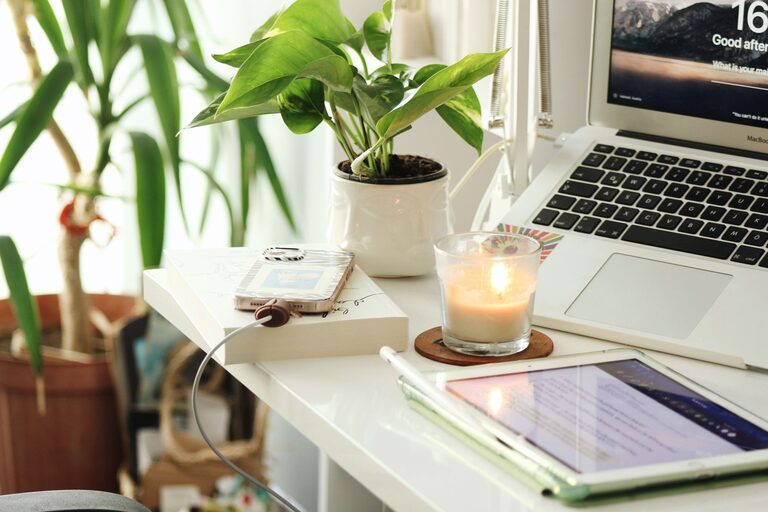
Indoor plants not only improve air quality but also add a touch of nature that can soothe and inspire. Easy-to-care-for plants like pothos, spider plants, or succulents are good choices.
Display Meaningful Items
Incorporate photos, artwork, or mementos that bring you joy or motivation. Surrounding yourself with positive reminders can enhance your mood and keep you motivated.
Choose Calming Colors
Colors affect our emotions. Soft blues, greens, and neutrals are known to be calming and help reduce stress. You might paint a wall, add decorative objects, or use stationery in these tones.
Keep It Organized
Declutter Regularly
A neat environment leads to a clearer mind. Regularly tidy your desk and file away papers to avoid feeling overwhelmed by mess.
Use Storage Solutions
Invest in shelves, bins, or drawer organizers to keep supplies and documents in order. Knowing where everything is saves time and reduces frustration.
Manage Cables
Tame cords and charger cables with clips or sleeves to keep your workspace tidy and safe.
Incorporate Relaxation Elements
Use Soothing Scents
A mild diffuser with essential oils like lavender, chamomile, or eucalyptus can promote calm and focus. Just be mindful of any allergies or sensitivities.
Play Background Music or Nature Sounds
Soft instrumental music or gentle nature sounds can help drown out distracting noises and create a peaceful atmosphere.
Take Breaks Mindfully
Set a timer to remind yourself to pause periodically. Stretch, take deep breaths, or enjoy a short walk to refresh your mind and body.
Optimize Lighting for Relaxation and Productivity
Combine Natural and Artificial Light
While natural light is ideal, supplement it with soft, adjustable lighting. Avoid harsh fluorescents and consider a desk lamp with warm light to reduce eye strain.
Adjust Screen Brightness
Make sure your computer screen brightness is comfortable and consistent with your surroundings to minimize fatigue.
Maintain Healthy Habits in Your Workspace
Stay Hydrated
Keep a water bottle nearby to encourage regular hydration, which supports focus and energy.
Eat Light Snacks
Choose healthy snacks that provide sustained energy without causing a sugar crash.
Move Frequently
Incorporate simple stretches or desk exercises to reduce stiffness and improve circulation during the workday.
Final Thoughts
A relaxing home workspace isn’t just about looking nice—it’s about creating an environment that supports your mental and physical well-being. By choosing a quiet spot, ensuring comfort, personalizing your space, staying organized, and incorporating calming elements, you can build a workspace where productivity and relaxation go hand in hand. Take small steps to customize your area and notice how these changes positively impact your workday.
Remember, your workspace should work for you. Experiment with what feels best and adjust your setup over time. A comfortable, peaceful environment is just the beginning of a successful work-from-home experience!